
How to Prepare Your HVAC System for the First Cold Snap
How to Prepare Your HVAC System for the First Cold Snap

As the leaves start falling and the crisp autumn air settles in Wichita, KS, it’s the perfect time to think about how to prepare your HVAC for cold weather. At Comfort Systems, we see it every year—homes that were cozy last winter suddenly struggle during the first freeze. A little preparation now can prevent last-minute headaches and keep your home warm when temperatures dip.
Getting ahead of the season isn’t just about comfort; it’s about efficiency, safety, and avoiding expensive repairs. Whether it’s your furnace, heat pump, or central AC, taking a few proactive steps ensures your system is ready for whatever the Kansas winter throws at it. Here’s a practical cold snap HVAC checklist to guide you.
Essential Cold Weather Prep Steps
Replace filters
Clear vents
Schedule inspection
Test heating mode
1. Replace Filters

One of the easiest but most overlooked steps is swapping out your air filters. Dirty filters restrict airflow, forcing your system to work harder—and that can lead to breakdowns. During a fall furnace tune-up in Wichita, Comfort Systems recommends checking filters at least once a month, especially if anyone in your home has allergies or pets.
Replacing them now not only improves indoor air quality but also helps prevent HVAC issues in the fall.
Pro Tip
Check filters at least once a month during peak heating season. Most filters should be replaced every 1-3 months depending on usage, household size, and whether you have pets.
2. Unblock Vents and Registers
It might seem obvious, but furniture, rugs, and even drapes can block warm airflow. Walk through your home and make sure all vents and registers are clear. Blocked airflow can lead to uneven heating, higher energy costs, and increased strain on your system. Think of it like trying to breathe through a straw—the HVAC has to work harder when the path is obstructed.
Move Furniture
Ensure sofas, chairs, and tables aren’t blocking air return vents or supply registers.
Check Floor Vents
Make sure rugs and carpets aren’t covering floor vents throughout your home.
Adjust Drapes
Keep curtains and drapes from blocking wall-mounted vents and registers.
3. Listen for Strange Noises
As you turn your system on for the first time, pay attention to any unusual sounds. Clanking, squealing, or banging can be early warning signs of issues like loose belts, failing motors, or duct problems. Scheduling a professional inspection can catch these before they become major repairs. In fact, this is a great reason to winterize your HVAC in Wichita, KS, with a trusted technician.
Banging or Clanking
May indicate loose or broken parts that need immediate attention.
Squealing
Often points to worn belts or motor bearings that need lubrication or replacement.
Rattling
Could signal loose ductwork or debris in the blower assembly.
4. Ensure Proper Insulation
Your HVAC system’s efficiency is limited if heat is escaping through poorly insulated areas. Check windows, doors, and attic spaces for drafts or gaps. Weatherstripping, caulking, and adding insulation in key spots can drastically improve comfort and efficiency. It also takes some of the pressure off your HVAC system, reducing wear and tear as the temperatures drop.
Key Areas to Check:
Windows and door frames
Attic spaces and crawl spaces
Basement walls and rim joists
Electrical outlets on exterior walls

5. Schedule a Professional Inspection
Even if everything seems fine, a fall furnace tune-up in Wichita can make a huge difference. A skilled technician will inspect your system, clean components, test safety mechanisms, and ensure everything is running efficiently. They can also confirm your emergency heat setup and that your HVAC is ready, giving you peace of mind if the first big freeze hits unexpectedly.
System Inspection
Thorough examination of all components including heat exchanger, burners, and electrical connections.
Deep Cleaning
Removal of dust, debris, and buildup from critical components to ensure efficient operation.
Safety Testing
Verification of safety controls, carbon monoxide levels, and proper venting.
Performance Tuning
Calibration and adjustments to maximize efficiency and heating performance.
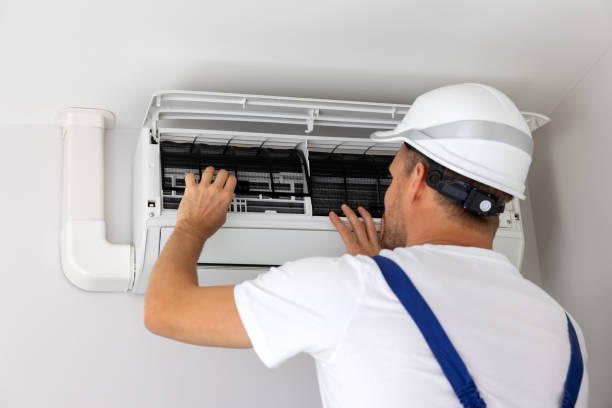
Professional maintenance ensures your system is ready for the cold weather ahead
6. Switch Your System to Heat Mode
Before the first cold snap, flip your thermostat from AC to heat. This not only ensures the system is ready but also helps identify potential issues early. Some homes may notice uneven heating, weak airflow, or thermostat glitches—problems that are much easier to fix before the weather gets really cold. Properly prepping your AC for winter now can prevent costly emergencies later.
Testing Checklist
Set thermostat to heat mode and raise temperature
Wait a few minutes for system to engage
Check for warm air from all vents
Listen for unusual sounds or smells
Verify thermostat accurately reflects room temperature
Quick HVAC Tips for First Freeze
Following these additional steps gives your system the best chance to run efficiently all winter long. It’s all about preventing HVAC issues in the fall rather than scrambling when the first cold snap arrives.
Test Thermostat Settings
Ensure your thermostat is accurately reading and maintaining temperatures.
Clear Outdoor Units
Remove debris, leaves, and obstructions from around outdoor units.
Check Blower Fan
Verify the blower fan is running smoothly without unusual noises.
Monitor Humidity Levels
Keep indoor humidity between 30-50% for optimal comfort and efficiency.
Schedule Your HVAC Inspection Today!
Getting your HVAC system ready for winter doesn’t have to be overwhelming. By following this cold snap HVAC checklist and leaning on experts like Comfort Systems, you can enjoy the season without worrying about frozen pipes, malfunctioning heaters, or last-minute service calls. A little preparation now goes a long way toward a warm, worry-free winter in Wichita, KS.
FAQ: Preparing Your HVAC for Winter
How often should I swap out my HVAC filters before winter?
Generally, every 1-3 months, depending on the filter type, household size, and whether pets are present. Check monthly to be safe.
What is included in a fall furnace tune-up in Wichita?
A professional tune-up typically includes checking electrical connections, cleaning the system, inspecting the heat exchanger, and verifying safety controls.
How can I prevent HVAC issues in the fall besides maintenance?
Regular filter changes, clearing vents, checking insulation, scheduling professional inspections, and switching to heat mode early are all key steps.
Why is it essential to winterize my HVAC in Wichita, KS?
Wichita winters can be unpredictable. Winterizing ensures your system runs efficiently, prevents breakdowns, and keeps your home warm and safe during the coldest months.